
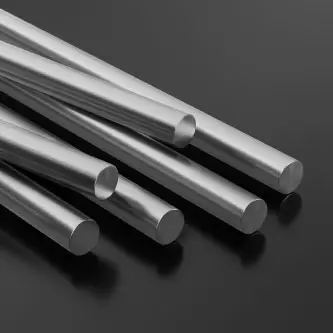
Metals
Commercially pure titanium and titanium alloys are widely used for implant fixtures and components because they combine useful mechanical properties with corrosion resistance and a stable oxide surface.
Other metals have appeared in historical or specialized applications, but the performance of the finished device depends on alloy composition, processing, surface condition and component design.
Ceramics and coatings
Bioceramics may be bioinert or bioactive. Oxide ceramics are used in selected components, while calcium-phosphate materials such as hydroxyapatite have been investigated as surface coatings.
Ceramic behavior differs from metal behavior, particularly in fracture resistance and sensitivity to surface defects, so indication and manufacturing control are critical.
Polymers, carbon and composites
Polymers and carbon-based materials have been explored for implant or restorative applications because their stiffness, radiographic behavior and processing routes differ from metals and ceramics.
These materials are best understood as part of a broader biomaterial toolbox. Their suitability depends on load, biological contact, aging behavior and the regulatory evidence for the specific device.
Surface and biological response
The tissue response is influenced not only by bulk material but also by surface chemistry, topography, cleanliness and wettability.
Material comparisons should therefore consider the validated implant system and its clinical evidence rather than a material name in isolation.
This educational overview does not replace professional training, clinical judgment, current product labeling or instructions for use.