
Define
Collect user needs, intended use, market input and applicable design requirements.
Enterprise advantages · R&D
Turning clinical needs into precise, manufacturable and well-documented implant solutions.
R&D approach
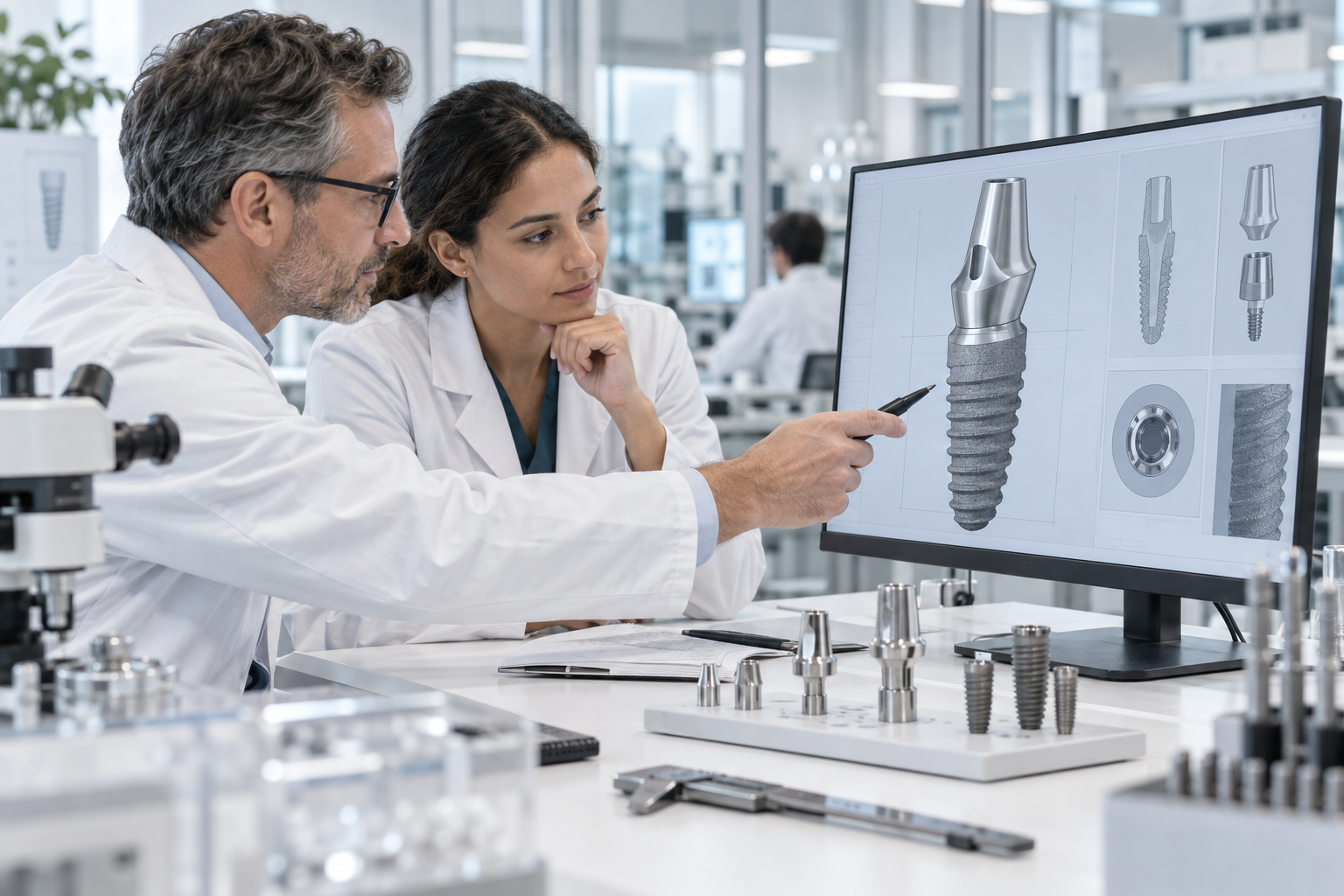
Trusyou's research and development work begins with the practical requirements of implant dentistry. Clinical feedback, distributor insight and product-management input are translated into defined design objectives for implant systems, restorative components and surgical instruments.
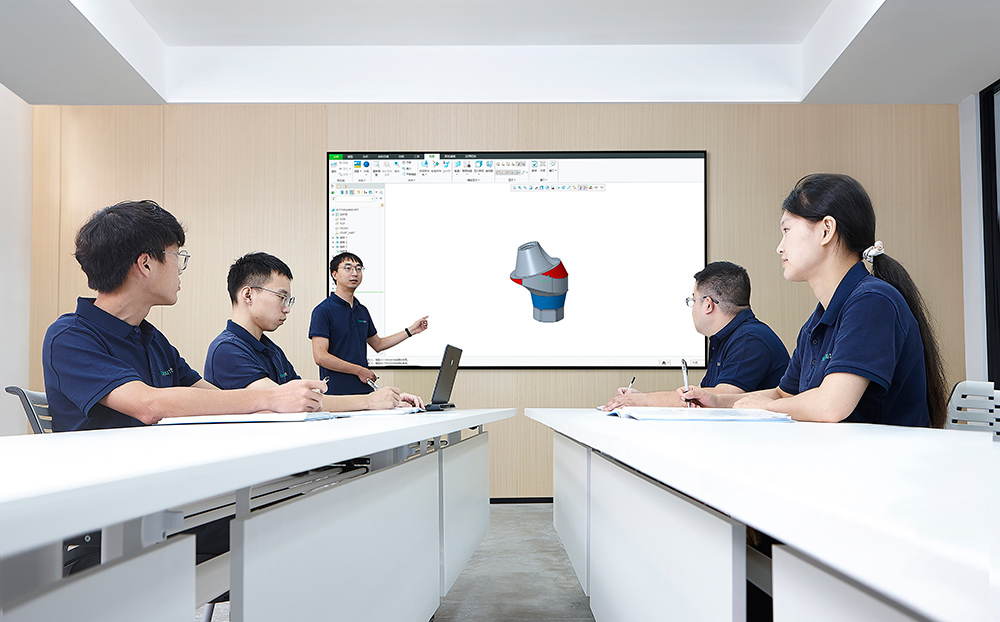
Engineering teams review connection geometry, component interfaces, material selection, dimensional tolerances and manufacturing feasibility as an integrated system. Digital modelling and prototype evaluation help identify potential fit, handling and production issues before a design progresses.
Development is coordinated with manufacturing, quality and regulatory functions. Design reviews, verification planning, risk-management activities and controlled technical documentation support traceability from the initial requirement through product transfer and subsequent change control.
The company also works with industry specialists, clinical medical institutions, Oujiang Laboratory and domestic universities to connect applied research with product development. This collaboration has contributed to a company-reported portfolio of more than 45 authorized patents.
From insight to engineering
Rather than treating an implant, abutment or instrument as an isolated part, the development process considers how components interact throughout surgery, restoration and laboratory procedures.
Development pathway
Each program is scaled to the product and its intended use. The pathway keeps clinical relevance, engineering feasibility and quality requirements visible at every stage.
Collect user needs, intended use, market input and applicable design requirements.
Develop concepts, interfaces and specifications using digital engineering tools.
Evaluate physical samples, assembly relationships and manufacturing feasibility.
Confirm dimensions, fit, function and performance against approved requirements.
Release controlled documentation and coordinate production implementation.
Core capabilities
User feedback and intended workflows are converted into clear design inputs and product requirements.
Implants, restorative components and instruments are reviewed together to support interface consistency.
Defined reviews, testing plans and technical records connect design decisions with measurable requirements.
Work with Trusyou