
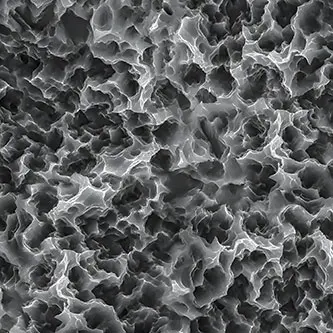
Machined and oxidized surfaces
Early implant systems commonly used machined titanium surfaces. Titanium naturally forms an oxide layer, and controlled oxidation processes can modify the thickness, chemistry and topography of that surface.
Surface design is intended to create a consistent interface for healing while preserving material integrity and cleanliness.
Roughening and coating methods
Sandblasting, acid etching and combined SLA-type processes create micro-scale surface texture. Titanium plasma spray and hydroxyapatite coatings have also been used to alter surface topography or chemistry.
Hybrid surfaces may combine more than one process, but each additional step requires validated controls for residues, uniformity and adhesion.
Healing and implant position
Surface treatment supports the biological environment but does not replace atraumatic surgery, primary stability or appropriate healing protection.
Implant depth and the position of the restorative interface must also account for tissue thickness, emergence profile and the intended aesthetic result.
Interpreting surface claims
A rougher surface is not automatically a better surface. Meaningful comparison requires defined topography, validated manufacturing, cleanliness testing and clinical evidence for the complete implant system.
Clinicians should follow current product instructions and avoid transferring claims between systems with different designs or processes.
This educational overview does not replace professional training, clinical judgment, current product labeling or instructions for use.